The Versatile Uses Of Skin Scanning Analyzers
Oct 12, 2025
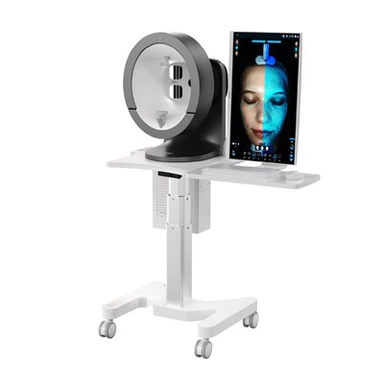
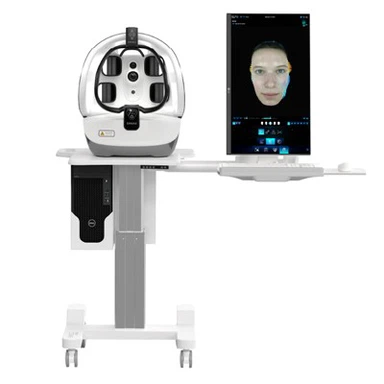
In the field of skin health management, accurate assessment is a prerequisite for personalized intervention. Skin scanning analyzers, with their visualized and data-driven detection capabilities, have become a crucial link between professional judgment and user needs. Their applications cover multiple levels, including clinical diagnosis, beauty services, scientific research analysis, and public education, significantly expanding the industry's service boundaries.
In clinical settings, this device is a powerful tool for dermatologists. Through multispectral imaging and intelligent algorithms, it can clearly present characteristics such as abnormal pigmentation distribution, telangiectasia, and changes in epidermal microstructure, providing objective evidence for the auxiliary diagnosis of common skin diseases such as acne, rosacea, melasma, and photoaging. Simultaneously, by comparing time-series data, it can dynamically monitor the regression of skin lesions and barrier repair during treatment, helping doctors optimize treatment plans and improve the accuracy of efficacy assessments, reducing biases caused by subjective experience.
In beauty and health management institutions, skin scanning analyzers are mainly used for the development and verification of personalized care plans. This device can quantify indicators such as moisture loss, sebum secretion, enlarged pores, rough texture, and potential sensitive areas, presenting visual graphs showing differences between the left and right sides of the face and the severity of problems in different areas. This allows skincare consultants to accurately pinpoint user pain points and recommend matching cleansing, moisturizing, oil-controlling, or repair solutions. Furthermore, by generating trend curves through regular retesting, users can intuitively perceive the effectiveness of their skincare routines, enhancing service engagement and trust.
In the fields of scientific research and education, this device provides a reliable data source for skin physiology and pathology research. Researchers can use it to obtain large-sample, standardized skin characteristic data to analyze the impact mechanisms of age, environment, and lifestyle habits on skin condition, promoting the verification of skincare product efficacy and the development of new skincare technologies. Simultaneously, its visualized results can also serve as teaching material, helping learners to more intuitively understand changes in skin structure and function.
For public education, the skin scanning analyzer can break down cognitive barriers with vivid images and data, allowing the public to recognize potential problems invisible to the naked eye and establish a scientific skincare awareness. This extension from testing to education further amplifies the device's value in the industry, contributing to the construction of a more professional skin health management ecosystem.